Why Regular Roof Inspections Matter: Expert Advice From Premier Roofing & Exteriors
Consistent roof inspections are vital for homeowners seeking to preserve their home's value and structural integrity. Premier Roofing & Exteriors highlights the significance of early detection potential problems early, which can prevent expensive repairs. Recognizing the typical issues and optimal methods for inspections can have a significant impact. Property owners often question the ideal frequency for these inspections and what they entail. Examining these considerations can reveal critical insights for proper roof care.
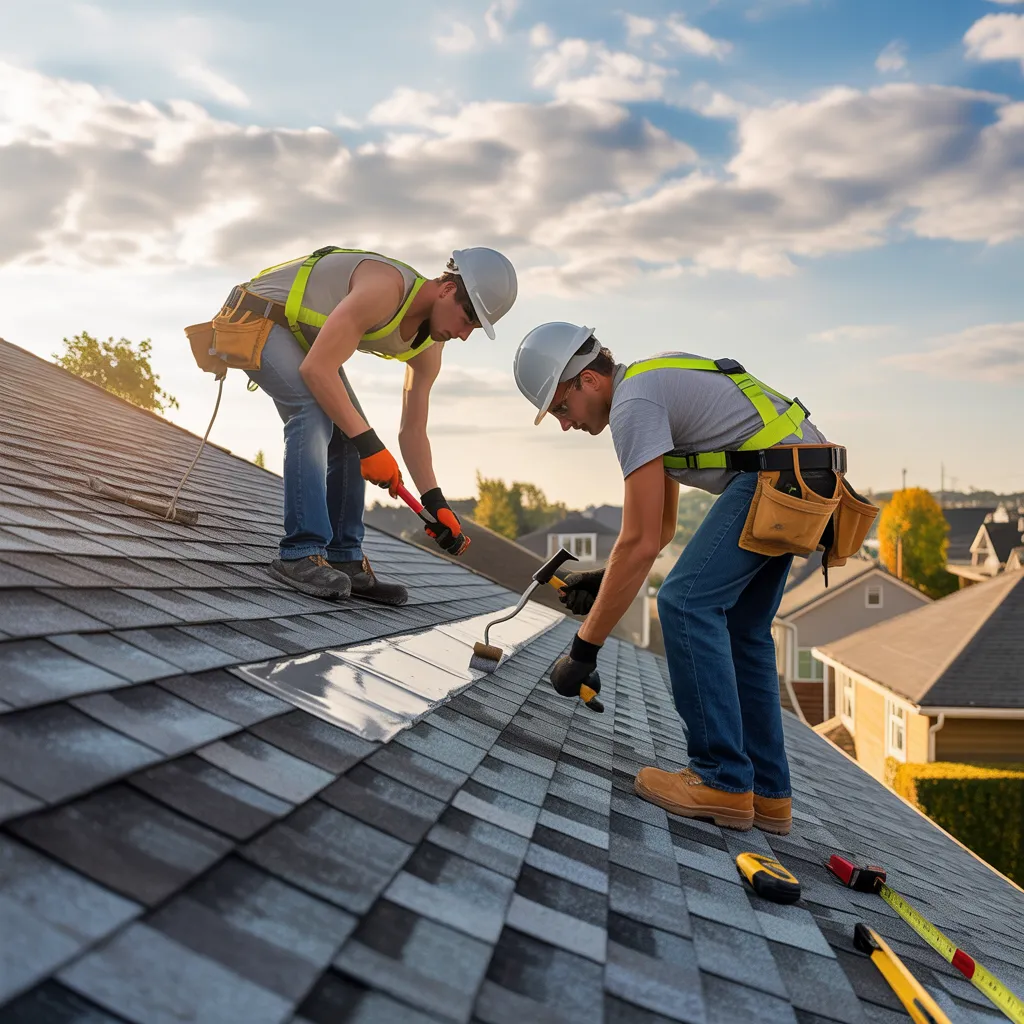
Why Regular Roof Inspections Are Crucial for Homeowners
Many homeowners often fail to recognize the significance of roof inspections, periodic assessments are fundamental to upholding a home's overall condition. Regular evaluations enable the timely identification of developing problems, helping to prevent costly repairs in the future. Weather elements, age, and environmental factors can gradually weaken a roof, making consistent inspections essential for long-term durability. Property owners gain an advantage by catching small issues before they develop Premier Roofing & Exteriors into major concerns, guaranteeing the roof stays reliable and structurally sound.
In addition, routine inspections help improve energy efficiency, as a routinely maintained roof blocks air leaks and sustains temperature regulation. This can lead to reduced energy bills. Furthermore, many insurance policies require proof of maintenance, making inspections necessary for claims. At the end of the day, scheduling regular roof assessments fosters peace of mind, knowing that the home is protected from the elements and potential hazards. Placing roof inspections at the forefront is an investment in the property's safety and long-term value.
Spotting Typical Roofing Problems
Regular roof inspections play a vital role in identifying frequent concerns that homeowners could experience. With the passage of time, roofs may develop issues such as missing shingles, which expose the underlying materials to moisture and possible leaks. Furthermore, curled or cracked shingles can signal weather-related or age-related damage, necessitating prompt attention.
Another common issue involves the buildup of dirt and debris in gutter systems, which can lead to water overflow and damage to both the roof structure and the home's foundation. Homeowners should additionally look for indications of drooping or misaligned sections, as these may point to serious structural problems.
Moreover, the growth of algae or moss can trap moisture, leading to further deterioration if not treated. By spotting these common roof issues at an early stage, homeowners can minimize potential damage, preserving the longevity and integrity of their roofs. Scheduled inspections enable property owners to detect these problems before they develop into major repairs.
How Frequently Should You Inspect Your Roof?
How frequently should homeowners perform roof inspections? Specialists advise homeowners to inspect their roofs at least two times per year, ideally in the spring and fall. Seasonal changes can impact roof integrity, making routine evaluations essential. Moreover, property owners should plan inspections after severe weather incidents, like powerful storms or hail events, which may cause hidden damage.
Overlooking roof inspections can lead to expensive repairs, as small problems frequently worsen over time. For homes located in areas vulnerable to intense weather events, more frequent inspections may be necessary. Recently installed roofs might need reduced inspection frequency initially, but periodic assessments continue to be vital, most notably as the roof ages.
What Happens During a Roof Inspection?
During a roof inspection, a qualified inspector carefully evaluates the condition of the roof, identifying potential issues and signs of wear. The inspector first proceeds to inspecting the roof's outer layer for missing or damaged shingles, fractures, and additional signs of wear. They also inspect flashings, gutters, and downspouts to confirm adequate functionality and drainage.
Additionally, the roofing inspector evaluates the roof's structural integrity, searching for uneven or sagging sections that can point to deeper issues. They may also check the attic area for evidence of leaks or moisture, which can lead to the growth of mold and subsequent damage.
Furthermore, the evaluation involves evaluating the condition of ventilation components, confirming they are functioning effectively to avoid overheating and moisture buildup. In conclusion, the professional documents their discoveries, providing the homeowner with a complete report that outlines the existing condition of the roof structure and any suggestions for repairs or maintenance.
How to Address Common Roof Problems
Addressing common roof problems requires an active maintenance plan to secure the lifespan and integrity of the structure. Homeowners should regularly inspect their roofs for clear evidence of deterioration, such as absent shingles, warped edges, or staining. If moisture problems are discovered, prompt attention is required; filling openings with suitable sealants can prevent further water damage.
To address clogged gutters, consistent maintenance is critical, as accumulated debris may cause water to pool and accelerate roof damage. In addition, monitoring for moss or algae formation is recommended, as these can trap moisture and cause decay.
When dealing with significant damage, such as serious rot or structural concerns, it is advisable to consult a professional roofing contractor. Prompt action not only reduces repair expenses but also extends the roof's lifespan. Ultimately, remaining vigilant and promptly addressing these issues is essential for sustaining the integrity of the roof.
The Long-Term Benefits of Maintaining Your Roof's Integrity
Preserving a roof's condition provides considerable long-term benefits that homeowners ought to keep in mind. Regular upkeep can prevent costly repairs, ensuring that minor issues do not escalate. Moreover, a thoroughly maintained roof can increase its longevity and boost overall energy efficiency, resulting in decreased energy expenses.
Stop Costly Repairs
Routine roof evaluations can considerably reduce the risk of expensive repairs over time. By catching small problems early on, homeowners can resolve issues before they grow into significant harm. A small leak, for instance, can lead to extensive water damage and mold growth if left unattended. Routine inspections allow for timely upkeep, which substantially minimizes repair expenses. Additionally, inspections can uncover hidden vulnerabilities, such as damaged shingles or compromised flashing, ensuring that these issues are addressed promptly. Investing in routine roof evaluations not only protects a home's structural integrity but also enhances its overall value. As a result, emphasizing regular roof evaluations is a smart financial choice that shields against unexpected expenditures and maintains the property's condition in the long run.
Maximize Roof Lifespan
While many homeowners may overlook the importance of roof maintenance, disregarding this critical factor can substantially diminish a roof's durability. Regular inspections and maintenance help identify minor issues before they escalate, safeguarding the roof's overall stability. With time, weather conditions including UV exposure, precipitation, and snow accumulation can result in progressive damage. Resolving issues like displaced shingles, corrosion, or accumulated debris can avert serious damage requiring expensive repairs or full replacements. By committing to routine inspections, homeowners can guarantee their roofing system remains functional and reliable for years to come. This proactive approach not only extends the life of the roof but also enhances the overall value of the property, making it a wise investment in homeownership.
Boost Energy Efficiency
A well-maintained roof can substantially boost a home's overall energy efficiency, leading to substantial savings over time. Regular inspections help detect problems such as inadequate insulation or missing shingles, which can lead to energy waste. By tackling these concerns in a timely manner, homeowners can avoid heat from dissipating in the winter and minimize air conditioning costs in the warmer months. Additionally, a roof in good condition reflects sunlight effectively, decreasing the demand for heavy air conditioning use. Energy-efficient roofing materials, frequently suggested during roof inspections, can help maximize overall performance. Ultimately, preserving the condition of the roof not only leads to decreased energy expenses but also encourages an environmentally friendly lifestyle. This preventative method guarantees that energy efficiency remains a long-term benefit for homeowners.
Common Questions and Answers
What Are the Typical Costs for Roof Inspections?
The typical cost of roof inspections falls between $100 and $500, influenced by factors like the home's dimensions, geographic location, and the inspector's level of experience. A number of companies could offer no-cost inspections as part of their promotional packages.
Can I Perform a Roof Inspection Myself?
Certainly, a homeowner can perform a roof inspection themselves. Nonetheless, they should be cautious and familiar with safety protocols, as well as potential risks. Professional evaluations are advised for detailed examinations and to uncover underlying problems.
What Qualifications Does a Roofing Inspector Need?
A competent roofing inspector should have appropriate credentials, broad experience with roofing systems, understanding of local building codes, and comprehensive safety preparation. Moreover, effective communication skills are necessary for accurately delivering findings and recommendations to property owners.
Does Homeowners Insurance Cover Roof Inspections?
Homeowners insurance typically does not cover roof inspections, as they are regarded as routine upkeep rather than an insurable event. Insurance policy terms vary, so homeowners are encouraged to carefully examine their policy terms for a clearer understanding.
How Do I Find a Reliable Roofing Inspector?
To find a reliable roof inspection professional, one can seek recommendations from friends or family, check online reviews, and confirm qualifications through local licensing boards or professional associations to ensure reliability and quality in service.